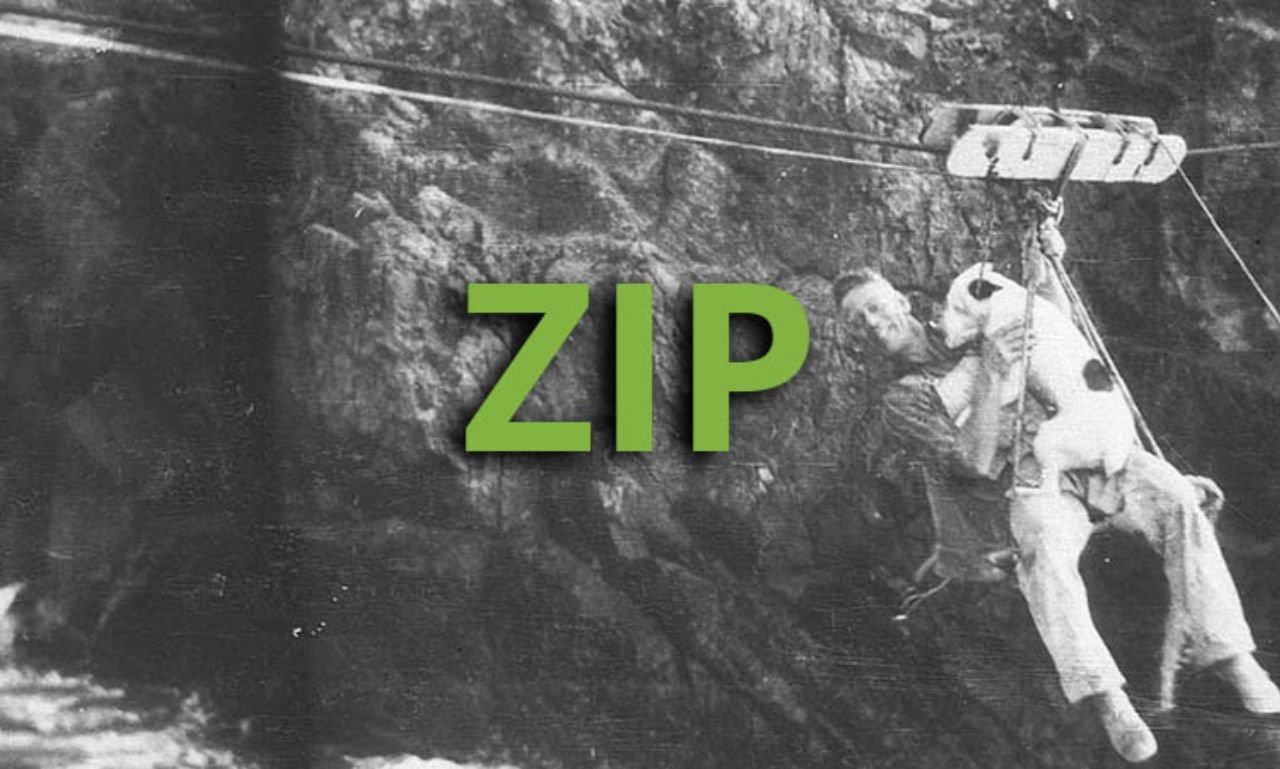
If you have been scrolling through social media lately, you might have noticed the term zip slang popping up in comment sections. It usually refers to keeping your lips sealed or telling someone to stop talking immediately. Understanding these trending phrases helps you stay connected with modern communication and the way younger generations express themselves in digital spaces today.
Have you ever felt like a conversation was getting way too awkward or intense? Using this viral term is the perfect shorthand to signal a vibe check. It is a fast-paced way to tell a friend to hush before they say something they might regret during a live stream.
Staying updated on internet culture ensures you never feel out of the loop. These linguistic shifts happen quickly across platforms, making social interaction more dynamic. Mastering this vocabulary allows you to navigate online forums with total confidence and clarity.
What Does Zip Mean in Slang?

In the contemporary lexicon, the term “zip” is a versatile shorthand that primarily signifies two distinct concepts: secrecy and speed. Historically, “zipping your lip” was a common idiom for remaining quiet. However, in the context of modern communication, it has evolved into a viral term used to indicate that a conversation is closed or that specific information is being gatekept for a select inner circle.
When a user employs this term in a digital space, they are often utilizing a linguistic tool to signal a vibe check. It acts as a functional constraint on the flow of information. Beyond silence, “zip” also refers to high-energy movement or a quick transition, often used when someone is “zipping through” a live stream or a thread. Understanding this semantic duality is crucial for anyone looking to navigate internet forums with confidence.
Different Meanings of Zip in Everyday Language
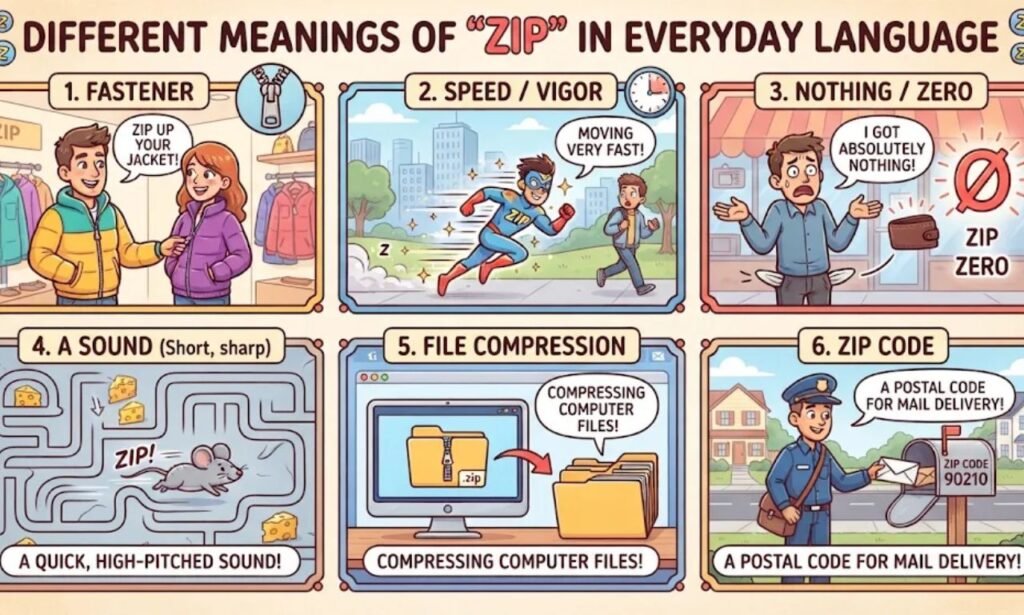
While the internet culture version of the word is popular, “zip” retains several traditional meanings that provide contextual relevance to its slang usage. In technical circles, a “ZIP” file refers to data compression, a concept that mirrors the slang’s goal of brevity and efficiency. In sports or academic settings, it often refers to a score of zero, emphasizing a total lack of progress or points.
This lack of “substance” is where the slang finds its secondary footing. To have “zip” can mean to have nothing, but to “give it some zip” implies adding vitality and pizzazz. This linguistic shift shows how a single syllable can represent both a vacuum and a spark, depending entirely on the social interaction and the intent of the speaker.
How Zip Is Used in Text Messages
In the realm of private messaging and texting abbreviations, “zip” is a high-utility word. It is frequently paired with the zipper-mouth emoji to convey that a secret is safe. Because mobile users prioritize speed and shorthand, “zip” serves as an efficient way to end a risky topic without typing long explanations.
For instance, if a friend shares confidential news, a simple reply of “Zipped 🤐” confirms that the information will not be shared further. This digital etiquette has become a standard part of modern English among younger generations who value instant feedback and privacy within their peer groups.
Zip Slang in Social Media Conversations
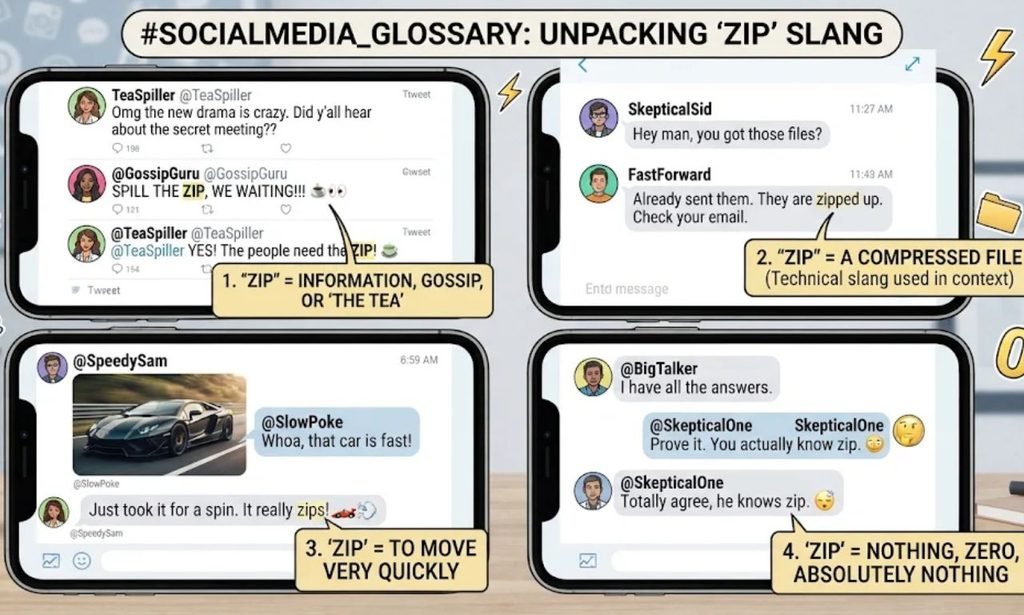
On platforms like TikTok, Instagram, and X (formerly Twitter), the term takes on a more public-facing role. It is often used in comment sections to “shut down” a troll or to stop a viral argument from escalating. In this environment, “zip” is a form of conflict de-escalation.
Content creators also use the term to build hype. By saying they are “zipping” the details of an upcoming project, they create a sense of exclusivity and curiosity among their followers. This marketing strategy leverages the “gatekeeping” aspect of the slang to drive engagement and algorithmic growth.
Examples of Zip in Daily Chat
To use this vocabulary naturally, one must understand its cadence in regular speech. Here are a few common ways it appears in daily chat:
- “I saw the surprise, but my lips are zipped.”
- “We need to zip through this meeting so we can catch the live stream.”
- “He asked about the drama, but I gave him zip.”
These examples show how the word fits into fast-paced environments, allowing for shorthand communication that doesn’t disrupt the flow of a real-time conversation.
Zip vs Zilch vs Nada
While these three terms all relate to the concept of “nothing,” they carry different tonal weights and historical origins. Organizing them in a structured way helps clarify their semantic differences.
| Term | Nuance | Origin |
| Zip | Emphasizes secrecy or high speed | Mechanical/Action-oriented |
| Zilch | Emphasizes a total lack of quantity | 1960s American Slang |
| Nada | Casual and often used for dismissal | Spanish (Literally “Nothing”) |
Using “zip” usually implies a choice (choosing to say nothing or moving fast), whereas “zilch” often describes an outcome (getting zero results). “Nada” is the most informal and is typically used to dismiss a question entirely. Understanding these linguistic nuances prevents common mistakes in social interaction.
Is Zip Formal or Informal?
Without question, “zip” is informal. It belongs to the category of vernacular language used among friends, colleagues, and online communities. Using it in a legal document or a formal academic paper would be inappropriate and could undermine your professional authority.
However, in digital marketing and modern copywriting, the rules are more dynamic. Many global brands use zip slang to appear more relatable to Gen Z and Gen Alpha audiences. The key is to match the brand persona with the audience sentiment. If the vibe check fails, the usage will feel performative rather than authentic.
The Origin of Zip as Slang
The etymology of “zip” as a slang term for silence is rooted in the physical action of a zipper. Patented in the early 20th century, the zipper provided a “quick” way to fasten clothes. By the mid-20th century, the metaphor “zip your lip” became a staple of American English, equating the interlocking teeth of a fastener with the closing of a mouth.
In the digital age, this mechanical metaphor was revitalized. As social media platforms began using emojis, the zipper-mouth emoji provided a visual anchor for the term, allowing it to transition from a spoken idiom to a viral shorthand used globally.
Why Zip Became Popular in Online Culture
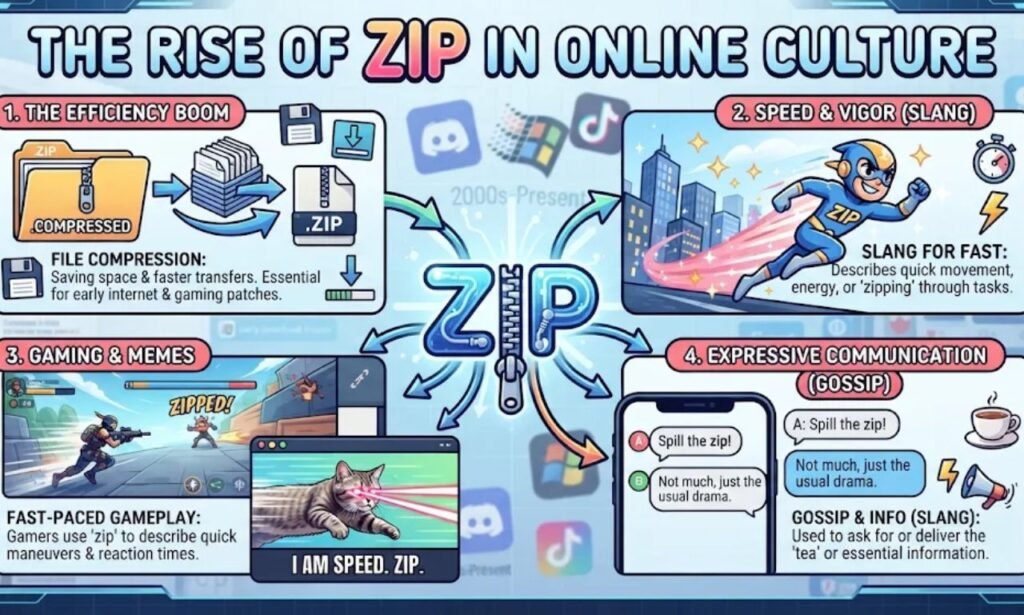
The popularity of this term in online culture is driven by the need for efficiency. In a digital space where attention spans are short, a three-letter word that conveys an entire social command is incredibly valuable. It also aligns with the visual nature of modern apps.
Furthermore, the term facilitates community building. By using specific slang, users identify themselves as part of a subculture. This linguistic identity is a powerful force in social interaction, as it creates a sense of belonging and shared understanding across geographic borders.
When to Use Zip in Conversations
Knowing when to deploy zip slang is an art. It is best used in:
- Casual Peer Groups: When joking with friends or keeping a lighthearted secret.
- Digital Comments: To quickly signal you aren’t engaging with a negative thread.
- Creative Content: When writing captions for short-form videos to keep the copywriting punchy.
In these scenarios, the term adds vitality and modernity to your communication style.
Situations Where You Should Avoid Zip
There are moments where “zipping” is a social faux pas. Avoid this term in:
- Crisis Communication: When people are looking for serious answers, slang can seem dismissive.
- Formal Interviews: It may project a lack of professionalism.
- Serious Disagreements: Telling someone to “zip it” during a heated, important argument can be seen as disrespectful rather than shorthand.
Tips for Using Zip Naturally
To integrate this term into your vocabulary without it feeling forced, follow these expert guidelines:
- Observe First: See how others in the online forum are using it before jumping in.
- Pair with Emojis: The 🤐 or ⚡ emojis provide contextual clarity.
- Keep it Short: Don’t over-explain the slang; the point of zip is its brevity.
- Check the Tone: Ensure the vibe of the room matches the informal nature of the word.
Common Mistakes When Using Zip Slang
One of the most frequent errors is using “zip” when you actually mean “nothing” in a serious financial or medical context. For example, saying a patient has “zip pulse” is medically imprecise and confusing. Another mistake is “over-zipping”—using the term so frequently that your digital authority is diminished because your vocabulary seems limited.
Finally, avoid “forced relevance.” If you are a professional in a high-stakes industry, using viral terms out of nowhere can lead to an authentic disconnect with your peers. Always prioritize clarity over trends.
Final Thoughts
As we move through 2026, the way we use internet slang like zip will continue to evolve. What remains constant is the human desire for efficient, expressive, and community-focused communication. By understanding the semantic depth and cultural nuance of these terms, you can navigate the digital landscape with confidence and clarity. Whether you are a content creator or a casual social media user, mastering this digital vernacular ensures you are never out of the loop.

Abu Bakar is a passionate writer with 4 years of experience exploring words and ideas. He runs an engaging blog focused on the meaning niche, where he dives deep into the origins, interpretations, and insights behind everyday terms. He loves making complex concepts simple and interesting for his readers. His curiosity drives him to uncover hidden stories and meanings that spark thought and conversation.